
Forward bends in yoga can offer several psychological benefits. Here are some of the key advantages:
1. Stress reduction: Forward bends help activate the parasympathetic nervous system, promoting relaxation and reducing stress levels. They encourage deep breathing, which triggers the body’s relaxation response and helps calm the mind.
2. Mind-body connection: Forward bends require focus and concentration on the body’s movements, alignment, and sensations. By bringing attention to the present moment, these poses can enhance the mind-body connection, promoting mindfulness and a sense of embodied awareness.
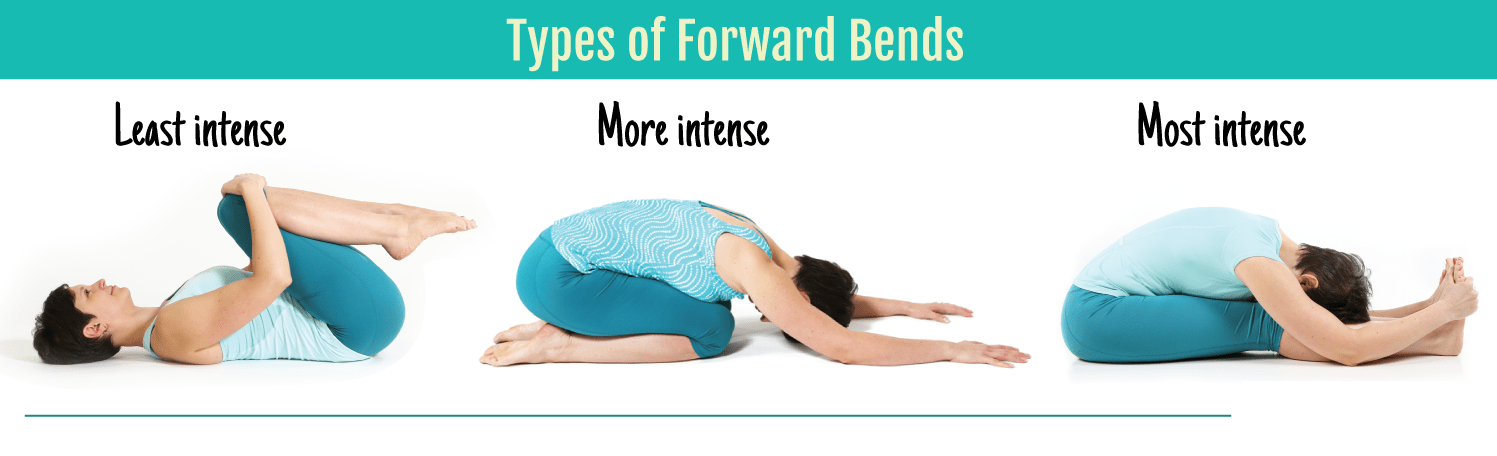
3. Grounding and stability: Forward bends often involve folding forward and reaching toward the ground. This physical action can create a sense of grounding and stability, both physically and mentally. It can help individuals feel more centered and connected to the earth, fostering a sense of security and stability.
4. Emotional release: Holding forward bends can create gentle compression in the abdominal area, which can stimulate the release of stored emotions. As tension and stress accumulate in the body, emotional energy may become trapped. Forward bends can provide a safe space for emotional release and promote a sense of emotional well-being.
5. Calming the mind: Forward bends often involve a forward folding motion that naturally turns the gaze inward and promotes introspection. This inward focus can help quiet the mind, reduce mental chatter, and bring a sense of calm and tranquility.
6. Cultivating introspection and self-reflection: Forward bends encourage introspection and self-reflection by directing attention inward. As the practitioner folds forward, it becomes an opportunity to look inward, observe one’s thoughts and emotions, and explore the internal landscape. This introspective aspect can support personal growth and self-awareness.
7. Releasing tension and promoting relaxation: Forward bends are known for their ability to release tension from the back, neck, and shoulders—the areas where many people hold stress. As these areas unwind and release, it can induce a state of relaxation, both physically and mentally.
Remember that individual experiences may vary, and some people may find other yoga poses or practices more beneficial for specific psychological needs. It’s essential to listen to your body, respect your limitations, and consult a qualified yoga instructor or mental health professional if you have any concerns or specific conditions.