
Foam Roller: Your Ultimate Guide
Table of Contents
- Introduction
- Benefits of Foam Rolling
- How to Use a Foam Roller
- Achieving Results
- Safety Considerations
- Conclusion
1. Introduction
Foam rolling has become a popular and effective self-myofascial release technique used by athletes, fitness enthusiasts, and individuals seeking relief from muscle tightness and soreness. In this comprehensive guide, we’ll explore the benefits of foam rolling, how to use a foam roller effectively, and how to achieve the best results.
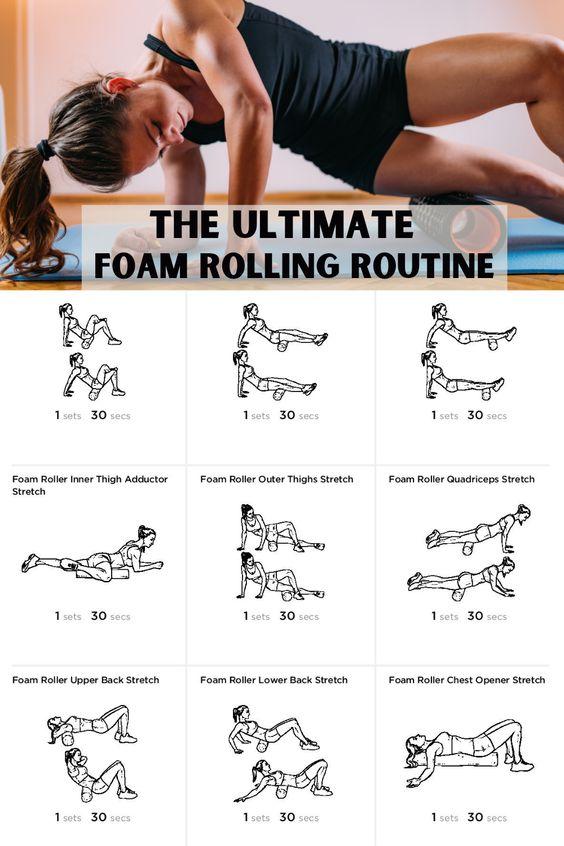
2. Benefits of Foam Rolling
Foam rolling offers a wide range of benefits, including:
a. Muscle Recovery: Foam rolling can aid in muscle recovery by reducing muscle soreness and improving blood circulation.
b. Improved Flexibility: Regular use can enhance flexibility by breaking down knots and adhesions in the fascia, the connective tissue surrounding muscles.
c. Injury Prevention: By addressing muscular imbalances and improving range of motion, foam rolling can help prevent injuries.
d. Pain Reduction: It’s a natural pain reliever for conditions like IT band syndrome, plantar fasciitis, and more.
e. Relaxation: Foam rolling can have a calming and relaxing effect on the nervous system.
3. How to Use a Foam Roller
Follow these steps to use a foam roller effectively:
a. Choose the Right Roller: Select a foam roller with the appropriate density. Softer rollers are better for beginners, while firmer ones are suitable for experienced users.
b. Find the Target Area: Identify the muscle group you want to work on.
c. Apply Pressure: Place your body weight on the foam roller and roll slowly over the target area.
d. Hold on Tender Spots: When you find a tender spot, hold the pressure there for 20-30 seconds to release tension.
e. Repeat: Roll back and forth for 1-2 minutes on each muscle group.
f. Breathe and Relax: Maintain steady, deep breathing throughout the process.
4. Achieving Results
To achieve the best results with foam rolling:
a. Consistency: Make foam rolling a regular part of your routine, ideally before or after workouts.
b. Gradual Progression: As your body adapts, gradually use firmer rollers or experiment with advanced techniques.
c. Target Problem Areas: Concentrate on areas that need the most attention.
d. Hydrate and Rest: Stay hydrated and allow your body to rest and recover.
e. Combine with Other Practices: Complement foam rolling with stretching and other mobility exercises for maximum benefits.
5. Safety Considerations
While foam rolling is generally safe, there are some precautions to keep in mind:
a. Avoid Bones and Joints: Don’t roll directly over bones or joints.
b. Moderate Pressure: Apply moderate, not excessive pressure to prevent injury.
c. Consult a Professional: If you have specific medical conditions or doubts, consult a physical therapist or fitness professional.
d. Stop if Pain Persists: If pain or discomfort persists, discontinue and consult a healthcare provider.
6. Conclusion
Foam rolling is an accessible and effective method for improving flexibility, reducing muscle soreness, and preventing injuries. By following the right techniques and incorporating it into your fitness routine, you can experience the numerous benefits of foam rolling. Remember to stay consistent, listen to your body, and enjoy the relaxation and relief it can provide.