
Gym Weight Lifting straps are an essential piece of gym equipment commonly used by weightlifters, powerlifters, and bodybuilders to assist in various strength training exercises. They help improve grip strength and wrist support, allowing individuals to lift heavier weights more comfortably and effectively.
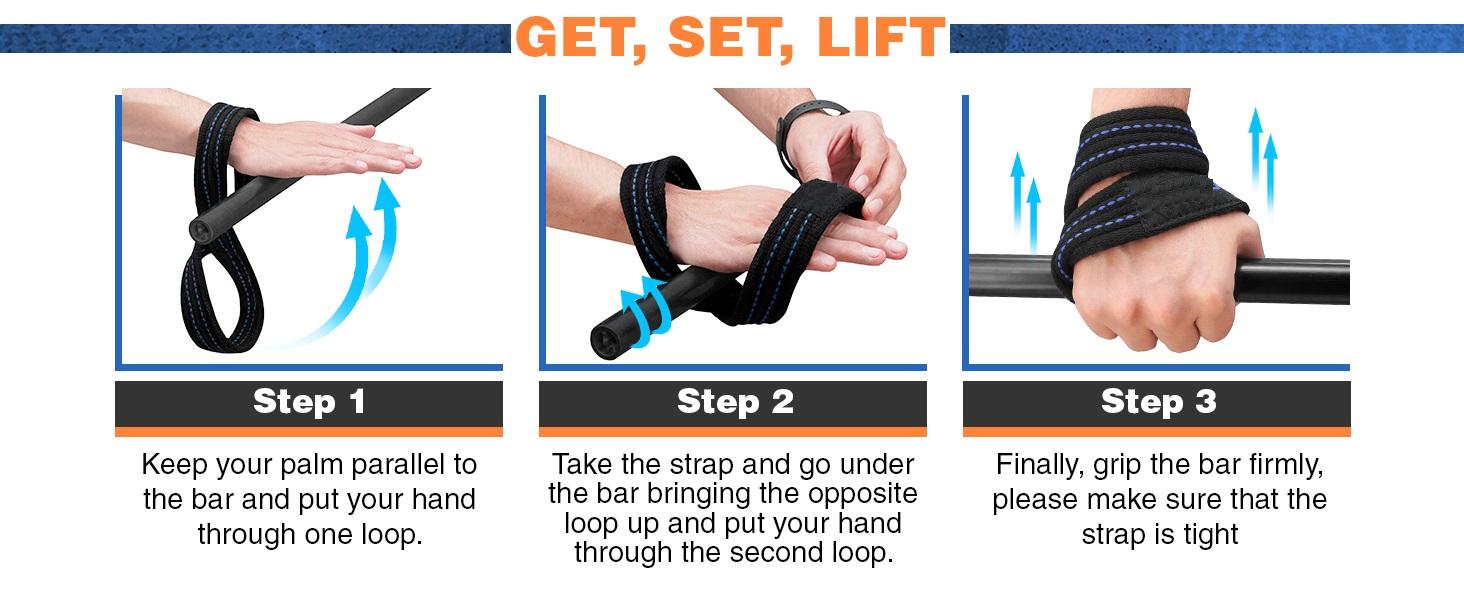
Here’s some information about lifting straps:
Material: Lifting straps are typically made of durable materials such as nylon, cotton, or leather. The choice of material can affect the durability and comfort of the straps.
Design: Lifting straps are usually around 20-24 inches in length and 1-1.5 inches in width. They feature a loop at one end and a loose end for wrapping around the barbell or dumbbell.
Purpose: Lifting straps are primarily used for exercises where grip strength is a limiting factor, such as deadlifts, shrugs, and heavy rows. By looping the strap around the bar and securing it, individuals can focus more on lifting the weight without worrying about their grip.
Wrist Support: Lifting straps also provide wrist support, reducing the risk of injury during heavy lifts. They help maintain proper wrist alignment and reduce strain.
Use with Caution: While lifting straps can be beneficial for specific exercises, it’s important to use them judiciously. Overreliance on lifting straps may prevent the development of grip strength. Many weightlifters use them primarily for their heaviest sets.
Maintenance: Regularly inspect and maintain your lifting straps to ensure they are in good condition. Washing them as needed and checking for wear and tear can help extend their lifespan.
Variations: Some lifting straps come with added features like Neoprene padded wrist support, Velcro closures for quick adjustments, or double-loop designs for extra security.
Compatibility: Ensure your lifting straps are compatible with the type of weightlifting you do, whether it’s barbells, dumbbells, or other equipment.
Lifting straps can be a valuable addition to your gym gear, especially when you’re working on strength and power exercises. However, remember that they should complement your training and not replace the development of natural grip strength, so use them strategically for specific lifts when necessary.